


In the past decade, running technology has sprinted ahead faster than ever. In fact, it’s so fast that some models have been deemed too advanced for fair competition. These so-called illegal running shoes have sparked debates about “shoe doping,” performance enhancement, and what truly defines a level playing field.
From carbon-plated soles to ultra-tall stack heights, these banned designs have prompted major athletic bodies, such as World Athletics and Ironman, to implement stricter regulations. If you’ve ever wondered what shoes are banned from marathons or why certain Nike and ASICS models disappeared overnight, here’s your insider’s guide.
What Makes a Running Shoe “Illegal”?
World Athletics, which governs professional road races, set clear limits after Nike’s controversial Vaporfly line started smashing records in 2019.
The key rules are:
- Maximum stack height: 40mm for road races
- Number of plates: Only one carbon or plastic plate is allowed
- Availability: The shoe must be available for retail purchase for at least four months before use in competition
If a model breaks any of these rules, it’s considered an illegal marathon shoe.
That means even though many super shoes are legal, a few push the boundaries—and get banned.
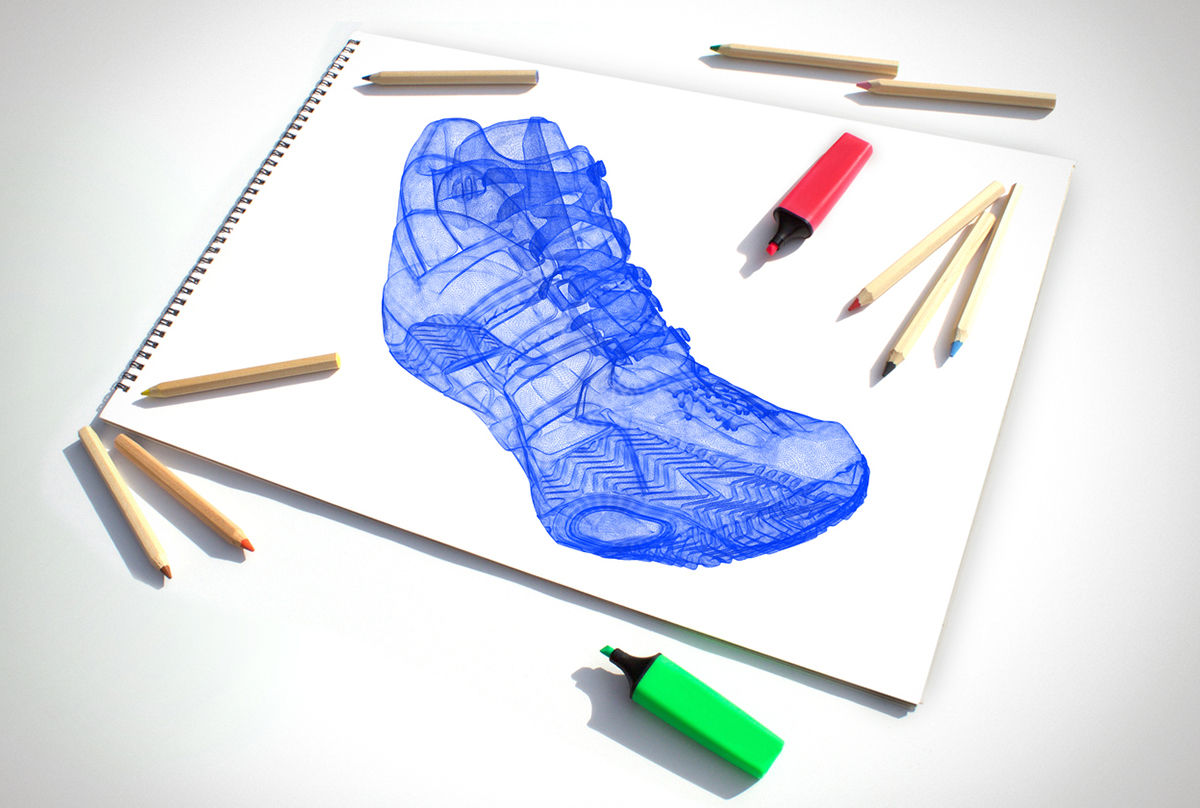
8 You Won’t Find in Stores
Here’s a look at some of the top banned running shoes that stirred controversy (and envy) among elite runners.
1. Nike Alphafly Prototype
Before the consumer version hit shelves, the Nike Alphafly NEXT% prototype helped Eliud Kipchoge break the two-hour marathon barrier. But that model’s stack height exceeded 50mm, making it an illegal running shoe under current regulations.
2. ASICS Metaride and Superblast
Some ASICS models, like the Superblast and Sonicblast, raised eyebrows for coming close to the 40mm limit. The Metaride, while not officially banned, was considered too experimental for sanctioned races. Runners still debate whether it crosses the line into “shoe doping.”
3. Adidas Adizero Prime X
Adidas took “go big or go home” seriously with the Prime X, boasting a 50mm stack height and multiple carbon plates. The result? A fast, bouncy ride—and a ban from most official marathons.
4. Nike ZoomX Vaporfly Elite
The OG cheating running shoe that started it all. Its ultra-responsive midsole and carbon plate design made it nearly unbeatable. Today, the Vaporfly Elite prototype remains one of the most infamous illegal Nike running shoes ever made.
5. ASICS MetaSpeed Sky+ (Early Prototypes)
Some early or prototype versions of the MetaSpeed Sky+ reportedly experimented with higher stack heights or more aggressive plate geometry than later retail models. While the production Sky+ tends to stay within accepted parameters, its prototype iterations remain a point of discussion in running-tech circles.
6. Hoka Cielo X1
The Cielo X1 is officially World Athletics approved, with a reported heel stack height of about 39 mm. That said, some pre-release versions and user-measured samples have raised eyebrows over how stack and geometry are measured, especially given that different measurement methodologies can yield different values.
7. Adidas Adizero Adios Pro Evo 1 (Limited Release)
This limited-release race shoe offers high-performance features but has drawn scrutiny for its aggressive design. While there’s no definitive public regulatory ban, its prototype and early versions are often viewed as “risky” under World Athletics guidelines due to potential stack height and plate construction.
8. Honorable Mention: ASICS Superblast / Sonicblast
These models have been referenced in enthusiast communities (such as forums) as being “borderline” in terms of performance advantage. However, there’s no public documentation from major governing bodies confirming a global ban. Their inclusion in “illegal shoe” lists is more speculative than regulatory.
What to Do With Old Running Shoes (Illegal or Not)
At Sneakers4Good, we believe every pair of sneakers—banned, broken-in, or barely worn—can do good.
When you donate your old running shoes through our program, you help:
- Reduce landfill waste from discarded footwear
- Promote sustainability in the running community
- Give a hand-up to micro-entrepreneurs in developing countries
So if you’ve got a pair of illegal running shoes collecting dust, don’t toss them—put them to good use.
Making a Difference
The world of illegal running shoes may sound like science fiction—but it’s a real reflection of how far technology has taken modern athletics. Whether you’re chasing a PR or just logging weekend miles, remember: the best shoes are the ones that keep you moving and make a positive difference after you’re done with them.
Run fast. Run fair. And give your old sneakers a second life with Sneakers4Good. Get started today!
© 2025 Sneakers4Good. All Rights Reserved.