
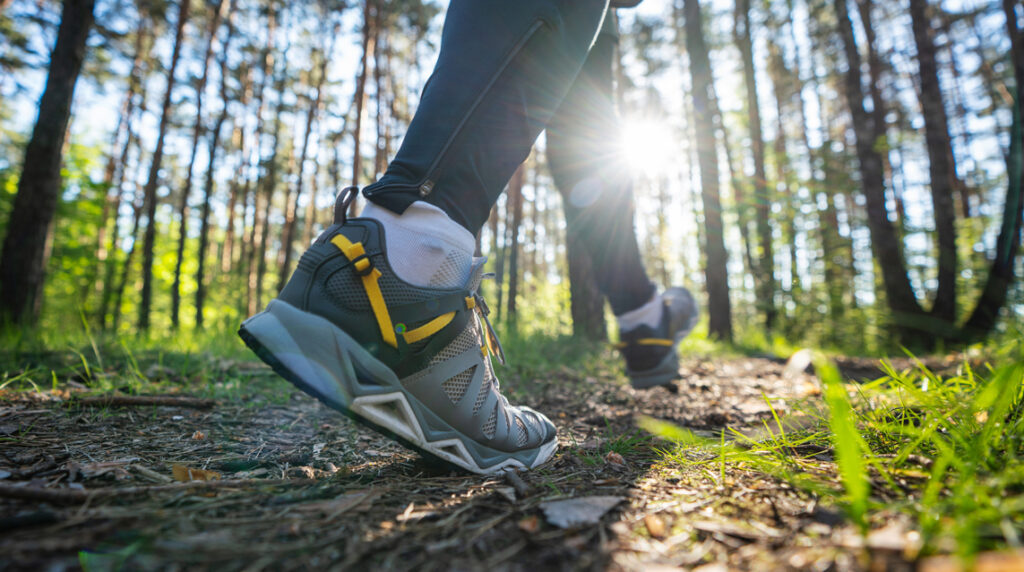

Trail running shoes in 2026 are more advanced and specialized than ever before. Whether you’re tackling rocky singletrack, logging ultra trail miles, or bouncing between pavement and dirt, the best trail running shoes are designed to protect your feet, improve stability, and keep you comfortable over long distances.
But anyone who’s spent some time in the footwear department knows that not every trail shoe is a fit for every runner. Cushioning, stability, fit, terrain type, and even weather conditions all play a part. To help you on your hunt for the perfect sneaker, we’ll break down what to look for and highlight top trail running shoes by category to help you find the right pair for your needs.
What Makes a Great Trail Running Shoe?
Before diving into our recommendations, here’s what we considered when evaluating the best trail running shoes for 2026:
- Traction: Outsoles that grip dirt, mud, rock, and gravel.
- Stability: Support for uneven terrain and off-camber surfaces.
- Cushioning: Enough protection for long-distance trail runs without sacrificing ground feel.
- Fit options: Available for wide, flat, and high-volume feet.
- Durability: Uppers and midsoles that withstand miles of abuse.
- Weight: Lightweight where possible, without compromising protection.
- Use case: Road-to-trail, ultra trail, hiking, minimalist, or maximal cushioning.
With these factors in mind, we set out to find the top trail running shoes that will help you tackle whatever trails lie ahead!
The Best Trail Running Shoes for 2026, According to Research
Choosing the right trail running shoe isn’t just about brand loyalty or looks. It’s about matching your footwear to your terrain, mileage, and biomechanics. For our 2026 picks, we evaluated runner reviews, expert testing, injury-prevention features, and performance across a range of trail conditions.
The result? A well-rounded list of trail running shoes that stand out in terms of traction, stability, comfort, and durability, whether you’re logging long-distance trail miles, racing ultramarathons, or heading out on your favorite weekend adventures.
1. HOKA Speedgoat 5: Best Cushioned Trail Running Shoes
The Speedgoat line continues to dominate among runners looking for plush cushioning without instability. It’s a favorite for ultra-distance events and rugged terrain.
- A thick, responsive midsole reduces fatigue over long miles.
- The Vibram® outsole performs well on rock and loose gravel.
- It’s available in wide sizes, making it a strong option for runners with wide feet.
Studies have shown that greater sneaker cushioning is associated with a lower risk of injury for runners, making this trail shoe an ideal choice for runners with joint sensitivity or those managing plantar fasciitis.
2. Salomon Speedcross 6: Best for Stability
The Salomon Speedcross 6 is a go-to for aggressive terrain. Known for its deep, mud-shedding lugs and locked-in fit, it excels on soft ground, steep climbs, and technical trails. It also features:
- Exceptional grip in wet and muddy conditions.
- A secure upper ideal for narrow to medium feet.
This sneaker isn’t minimalist, but it offers confidence where footing is unpredictable, making it popular among ultra trail and long-distance trail runners who prioritize reliable traction.
3. Nike Ultrafly Trail: Best for Ultra Trail & Technical Terrain
Nike’s trail category has matured, and the Ultrafly Trail is built for speed and endurance on challenging terrain.
- Carbon-infused plate adds propulsion and stability
- Excellent lockdown for fast descents
- Ideal for experienced trail runners tackling ultra trail races
This trail shoe leans performance-first and may feel stiff for casual trail use.
4. Altra Lone Peak 8: Best Trail Running Shoes for Flat Feet / Wide Feet
The Lone Peak is a common choice for runners who want natural foot positioning with room to splay.
- Foot-shaped toe box supports flat feet and bunions.
- Zero-drop platform encourages a natural stride.
- Lightweight and versatile for hiking and trail running.
It’s also a strong crossover trail shoe for those transitioning to more minimalist footwear.
5. Brooks Cascadia 17: Best for Stability & Mixed Terrain
The Cascadia line has long been trusted for stability, making it a solid choice for runners who need support on uneven trails.
- An adaptive midsole stabilizes foot placement.
- Balanced cushioning works for road-to-trail runs.
- Comfortable fits for both men and women.
It’s a dependable, no-nonsense option for runners who prioritize consistency.
6. Saucony Peregrine 14: Best Lightweight Trail Running Shoes
If you value agility and ground feel in your footwear, the Peregrine delivers. It offers:
- Lightweight and responsive.
- Excellent traction without excessive bulk.
Popular for short to mid-distance trail runs, this sneaker is especially appealing for runners who prefer a more minimalist feel without going fully barefoot.
7. Merrell Trail Glove 7: Best Minimalist / Barefoot Trail Running Shoes
For runners committed to minimalist or barefoot-style running, the Trail Glove remains a standout. Its perks include:
- Minimal cushioning with excellent trail feel.
- Strengthening of foot muscles over time.
While this shoe is best suited for experienced runners on less technical trails, keep in mind that it may not be ideal for long-distance trail runs unless you’re already adapted to minimalist shoes.
8. La Sportiva Bushido II: Best for Technical & Rocky Terrain
This sneaker shines on steep, rocky, and technical trails where precision matters.
- Low-to-the-ground feel enhances stability.
- Sticky rubber outsole grips rock exceptionally well.
- Preferred by mountain runners and skyrunners.
The fit tends to run narrow, so it’s probably out of the running for those with wide feet.
Waterproof vs. Water-Resistant Trail Running Shoes: What to Know
You’ll see plenty of trail running shoes marketed as waterproof or Gore-Tex, but truly waterproof shoes aren’t always the best choice.
While Gore-Tex can keep external moisture out, once water gets in via rain, puddles, or sweat, it’s tough to get out, especially without gaiters. This can lead to heavier shoes, blisters, and unwanted (not to mention, uncomfortable) dampness.
For most runners, water-resistant uppers with good drainage are a more practical option, especially for long-distance trail running. Waterproof models may make sense if:
- You consistently run in cold conditions.
- You use gaiters.
- You prioritize warmth over breathability.
Need to Get Rid of Old Trail Running Shoes?
Upgrading your trail shoes for 2026 doesn’t mean your gently worn pairs have to end up in a landfill. Sneakers4Good makes it easy to give your used running shoes a second life.
Through sneaker drive programs, gently worn athletic shoes are collected, reused, or responsibly recycled, supporting sustainability and global micro-enterprises in the process. It’s a simple way to clear out your old gear while making a positive impact.
Final Miles: Finding the Right Trail Shoe for You
To find the best trail running shoes, it’s essential to look past the hype. Consider fit, function, and the terrain you actually run day in and day out. Whether you need maximum cushioning, extra stability, a lightweight feel, or room for wide feet, there’s a trail shoe out there that’s built for your miles!
And when it’s time to retire your trail runners, partnering with Sneakers4Good helps extend their life and impact far beyond the trail. Instead of tossing worn sneakers into a landfill, you can support global micro-enterprises and sustainability efforts through gently worn sneaker collections. Learn how to get started today and turn your running shoes into meaningful change.
© 2026 Sneakers4Good. All Rights Reserved.