


Have you heard about plyometrics or ever wondered, what is plyometrics? Well, if you did, we’ll explain it here for you. If you want to stay in shape—or get in shape—plyometrics might be something to consider. Plyometrics is the only form of fitness that incorporates the stretch-shortening cycle. Responsible for generating the largest amount of force in a muscle, it takes advantage of elasticity in the tendons and muscles to produce an increased stretch followed by a rapid contraction (the “shortening” phase).
Plyometrics gained attention because it boosts explosive power. But it also does more. For instance, it improves speed, agility, balance, and coordination. Moreover, almost anyone interested in sports or health can do it. And many say the benefits speak for themselves!
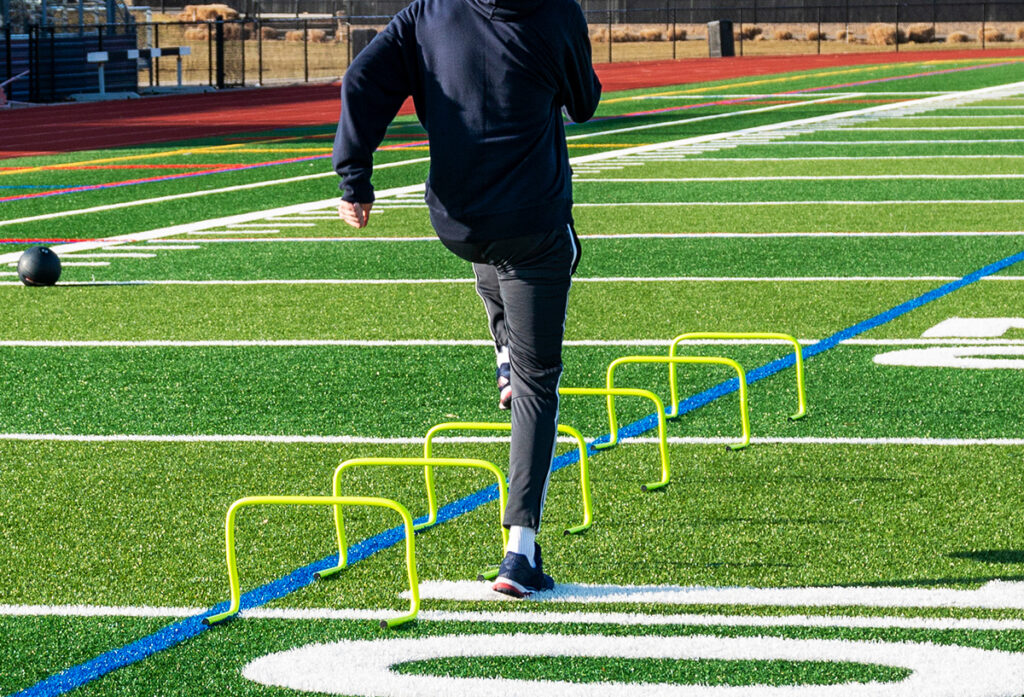
What is Plyometrics?
Plyometrics is a form of weight training that focuses on quick, powerful movements. Think about your body when you jump or stretch. If you do it, you’ll know what to do with plyometrics. Plyometric exercises focus on power and speed rather than endurance or size. It utilizes the body’s elasticity to push your muscles past their usual limitations.
Plyometric exercises make up only 10 percent of any given workout routine. But, and this is important, they provide the most benefits. Sports like basketball and volleyball focus on this type of training. Why? Again, it helps athletes improve explosiveness and speed without adding bulk or size.
The benefits are clear-cut:
- Quicker recovery time
- Higher agility
- Greater balance
- And more explosive power!
By incorporating plyometrics into your workout routine, you’ll almost immediately see a difference in your performance.
How Does it Work?
Plyometrics is an intense exercise that involves rapid stretching and contracting of the muscles. Plyometrics exercises use quick, powerful movements and leg drives to cause fast-twitch muscle fibers to stretch and then contract repeatedly. Plyometric training also enhances muscular endurance and increases bone density.
Some plyometric exercises examples include the following:
- Jumping jacks
- Lunges with jumps or hops on one foot at a time (pogo jump)
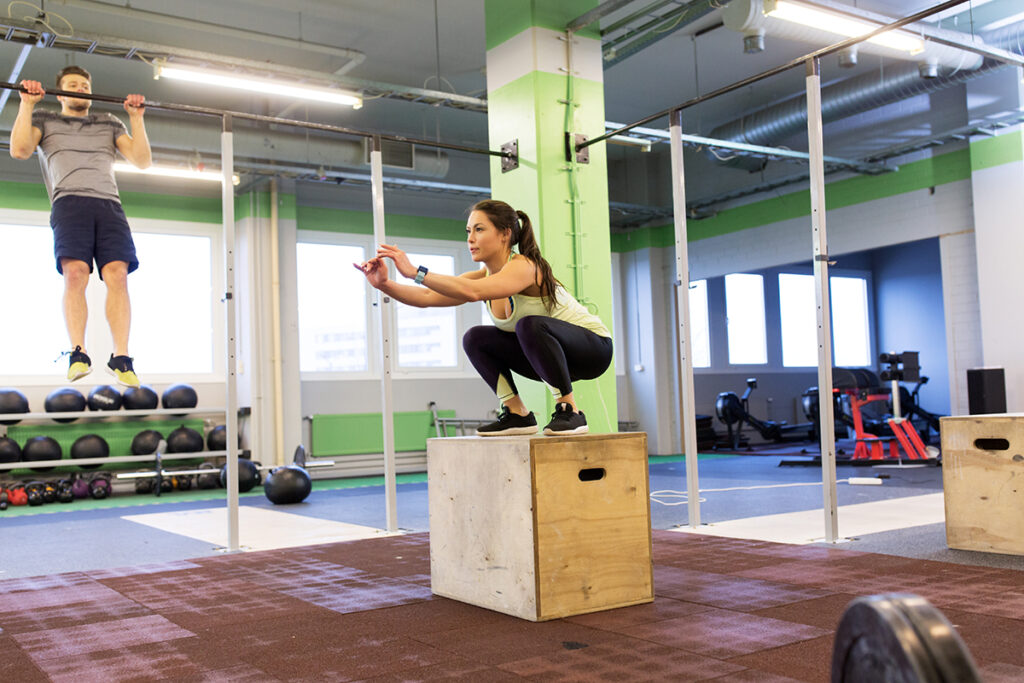
- Squat jumps
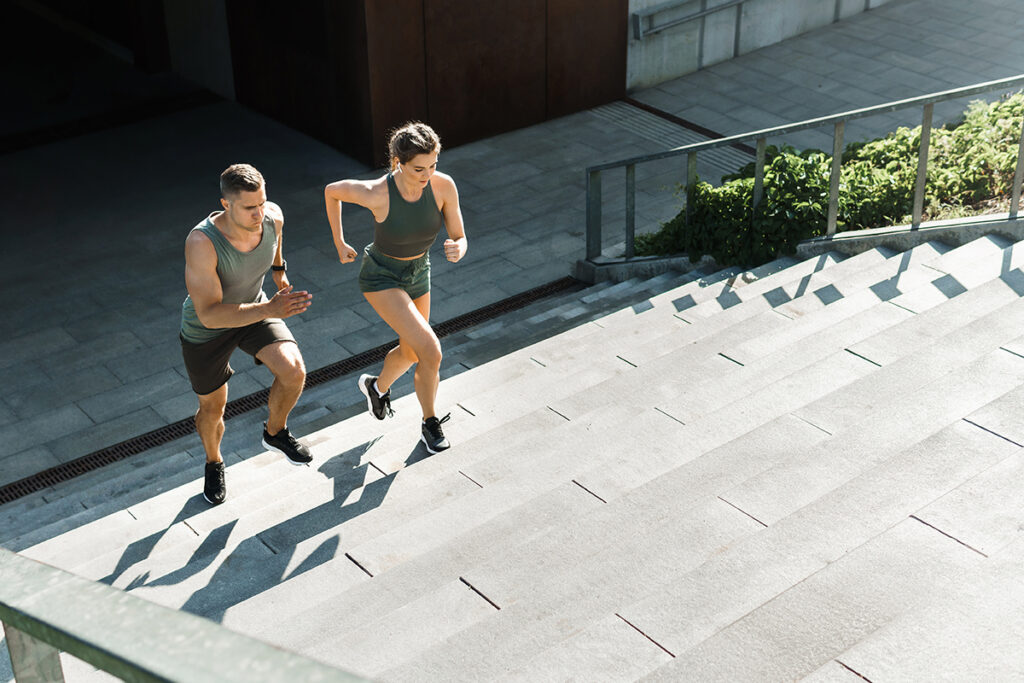
- Running up stairs in a squat position with arms reaching overhead
- Hopping off a wall or down stairs while landing softly on one foot at a time (e.g., hopscotch).
Using plyometrics allows you the chance to train your body in the most natural way possible. The emphasis is on using your body weight for resistance rather than weights or machines.
The Benefits of Plyometric Training
Plyometrics is a form of exercise that can be done by just about anyone. It’s not just for those wanting to get faster. Plyometric training exercises increase your vertical jump, speed, agility, and balance. You’ll also experience a better workout. The reason’s simple. You constantly use your muscles which increases muscle mass and weight loss.
Plyometrics is not only great for athletic performance. It also improves recovery after a strenuous workout or injury. It has many uses and is worth the time to learn and maintain the skill set required to perform the exercises correctly.
Improving Power and Speed with Plyometrics
Plyometric training is an exercise method pursued by athletes for decades. The stretch-shortening cycle produces the highest amount of force in a muscle. So plyometrics training is an excellent way to increase power and speed. If you want to be a better athlete or just want to improve your fitness, consider adding plyometrics training into your routine. The workout can occur as circuit training or running intervals with little rest between sets.
Increasing Agility, Balance, and Coordination
Plyometrics trains the body to react quickly by developing a rapid elasticity in the tendons and muscles. You can train your body to respond more rapidly and efficiently with plyometrics. Your overall balance will improve. You’ll also coordinate specific movements better than before, focusing on this form of exercise. This is because plyometrics trains the body to react in a certain way that benefits agility, balance, and coordination. Check out some of the activities for agility.
There are more benefits than just athletic performance improvements with plyometrics. As noted, it helps improve recovery after challenging workouts or injuries, giving it many uses. It increases the size density of muscle fibers bringing increased power. And it can also aid in weight loss while improving cardiovascular health too. So, now that you know what it’s about, incorporate it into your exercise regimen.
And as always, if you want to recycle your old sneakers, take a look at Sneakers For Good.
© 2022 Sneakers4Good. All Rights Reserved.