
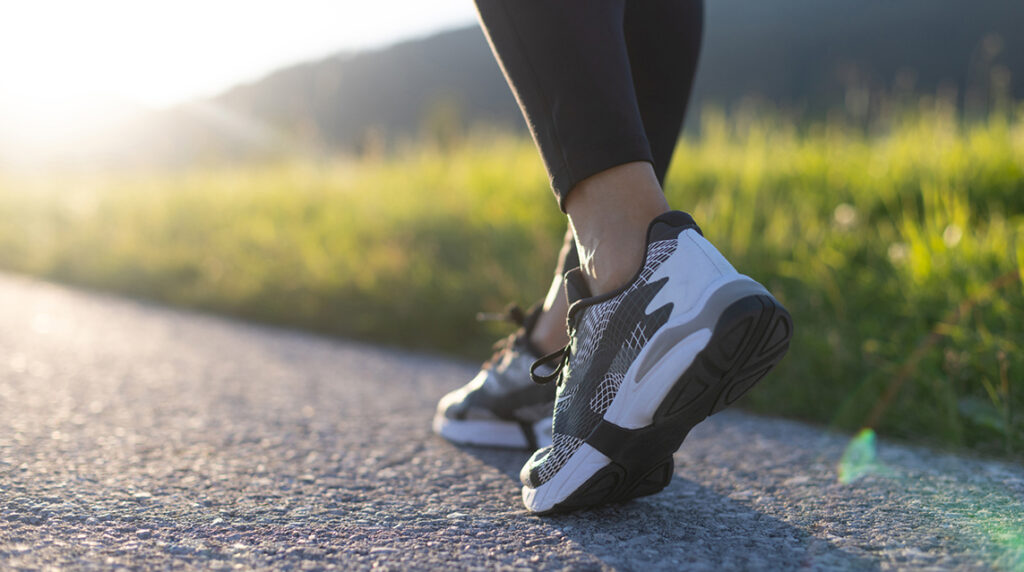

The team at Sneakers4Good, along with our many partners, including the Boston, Austin, and Marine Corps Marathons, believes in second chances. Together, we collect and redirect footwear out of the trash—and landfills—to more than 4,000 micro-enterprise partners worldwide. In many developing nations, systemic poverty makes finding sustainable work difficult. But selling athletic shoes in their communities provides for families. That’s why sneaker quality for reuse matters. People worldwide want to purchase quality.
What Makes a Quality Sneaker?
In developing nations, people rely very much on athletic shoes because they’re more comfortable to get around. Often, people use their feet to get from place to place. So, when they buy sneakers for reuse, they want high-quality footwear that will stand the test of miles. Moreover, the terrain in many countries is far less forgiving than treadmills or U.S. city paved streets and roads.
Therefore, through our partners and individual Mail-In Reuse Program, we take great care to help people understand what sneaker quality matters. If sneakers have parts like soles falling off after a few wears, they’re not going to help people in need. They can’t go the distance. Unfortunately, with fast fashion and mass-produced, low-cost footwear, many sneakers are designed to be tossed away after a few wears. But that doesn’t work for people living in the reuse economy worldwide.
Shipping low-quality sneakers to the Global South doesn’t make economic sense. Many communities worldwide lack the municipal infrastructure to handle large quantities of footwear waste. And in many of the markets, the rule is to purchase sneakers in bales—sight unseen. Now, imagine buying the bales and finding sneakers that can’t get resold. It’s wasteful and painful for people trying to make a living. It’s money lost.
As a result, sneakers need to be of reusable quality. And that means some of the following:
- Holes in the soles of sneakers or the uppers.
- Cracked or crumbling midsoles.
- Moldy athletic shoes.
- Heavily stained sneakers.
- Broken eyelets and missing parts.
- Worn out or sheer soles with no tread.
- Mismatched pairs or single sneakers.
The Global Path of Reuse
Every sneaker contribution to the reuse economy, also known as the circular economy, must align with the intention to do good. In other words, if you want to help make a difference, the quality of the sneakers is vital to make an intentional impact. So, perhaps you’re wondering what the journey is for the sneakers you and others contribute to leading, quality, and trusted sneaker reuse programs. Here’s the scoop.
Double Inspection of Athletic Shoes
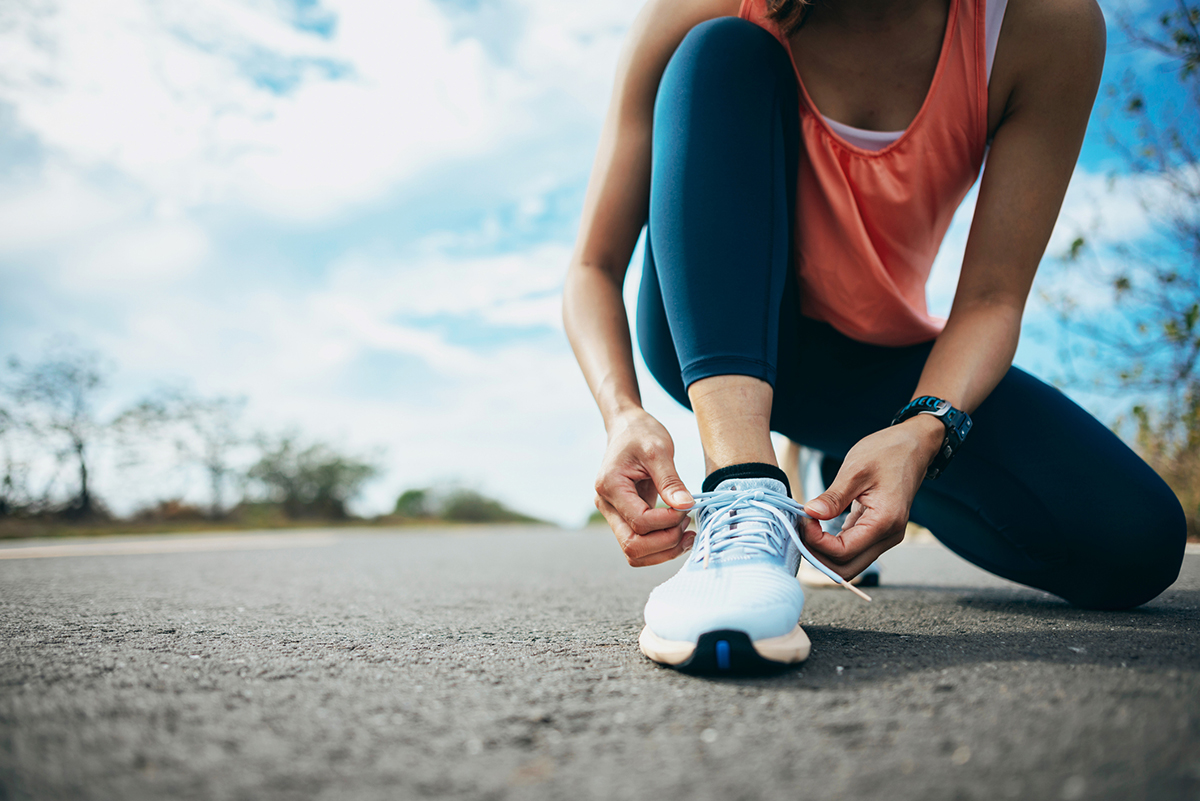
All sneakers that our social enterprise receives from our partners go through three inspections. We require the bags to be transparent so our drivers can inspect the sneaker quality at pick-up. The sneakers then travel to the Sneakers4Good processing center in Florida. There, our team inspects every pair of athletic shoes for quality. Finally, upon shipping receipt, our micro-enterprise partners also conduct an inspection.
How and Where Micro-Entrepreneurs Sell
We’re exceedingly proud of our years-long relationships with our 4,000 micro-enterprise partners worldwide in countries like India, Colombia, and the Dominican Republic. These small-scale sellers sell the footwear they purchase from us for a fraction of the original costs in kiosks and formal and informal markets. Most have been with us for years because they know we don’t skimp on quality. It’s about giving a hand-up!
Sustainability Starts with What You Give
The top reason we have many partners, road races, and marathons in the USA is our commitment to environmental sustainability. Over 300 million sneakers and shoes go to landfills every year, and that’s destroying the planet. Whatever the causes of climate change, we know it exists, and we can take steps to mitigate its impact, such as recycling and repurposing footwear. The rule is: reduce, reuse, recycle.
Still, a secondary benefit that our U.S. partners appreciate is that they’re helping people in need through the reuse economy. The reuse economy redirects the footwear to others who reuse them. Over 70% of the global population wears reused clothing and shoes. Therefore, the sneakers you wear, or those you can contribute, can certainly be an economic lifeline for someone else.
When you contribute to the reuse economy by contributing athletic shoes, here’s what happens:
- You reduce the demand for precious resources (e.g., water, trees, etc).
- The life cycle of athletic shoes gets extended, which is a great thing.
- Carbon emissions are offset by reducing the manufacturing of new sneakers.
- Decreased waste goes into landfills.
- You give a hand-up to families around the world in need of sustainable jobs.
So, when you contribute sneakers, always think of sneaker quality and “gently used.”
How You Can Help
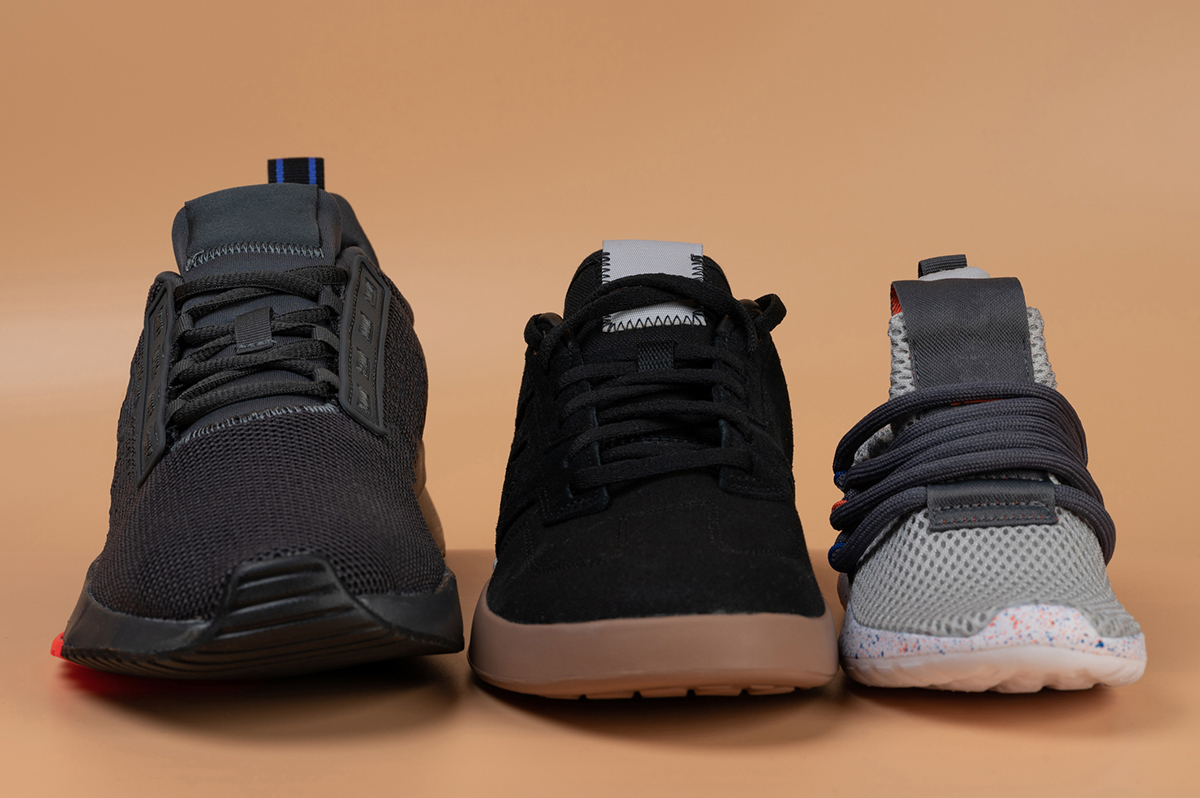
If you decide to participate as a partner or individual, here’s what you can do to make a BIG difference for the environment and people worldwide.
Inspect Sneakers
Take a careful look at sneaker pairs and inspect them for quality.
Clean Them
If necessary, clean the athletic shoes. Here are our tips for cleaning white sneakers.
Keep Pairs Together
Ensure pairs stay together by tying laces together or using rubber bands.
Use a Trusted Sneaker Reuse Partner
Trust but verify where you contribute sneakers. Look at Google and online reviews.
Real People, Real Impact
Next time you pass the 300 or 400 mile mark and your sneakers aren’t feeling like they’re supporting your sports needs, as they should, think of how contributing them for reuse does so much. It helps redirect sneakers from landfills and extends their life by giving them a new purpose with a real person somewhere in the world who needs to make a living. And that person who buys them…well, they will have walked in your sneakers—literally. And in some way, that’s a connection that benefits the planet and its people.
© 2025 Sneakers4Good. All Rights Reserved.